
Creating a relaxing home environment is essential for supporting your well-being. With our busy lives, having a space that feels peaceful and rejuvenating can make a big difference in reducing stress and improving your mood. Whether you have a small apartment or a large house, there are practical ways to turn your living space into a calming retreat. Here are some helpful tips to get started.
Why a Relaxing Home Environment Matters
Your home is where you spend a significant portion of your time. The atmosphere around you influences your thoughts, feelings, and energy levels. When your space feels cluttered or chaotic, it can contribute to stress and discomfort. On the other hand, a relaxed, well-organized environment can help you unwind after a long day, encourage restful sleep, and support your mental health.
Start with Decluttering
One of the easiest and most effective ways to create calm is to reduce clutter. Clutter can overwhelm your senses and make it harder to relax.
– Sort and Simplify: Go through your belongings and decide what you truly need or love. Donate or recycle items you no longer use.
– Organize Thoughtfully: Use baskets, shelves, and storage bins to keep items neatly arranged but accessible.
– Maintain Regularly: Set aside a few minutes each day to tidy up so clutter does not accumulate again.
Choose Soothing Colors
Colors affect mood more than many people realize. Selecting the right color palette for your home can encourage relaxation.
– Soft Neutrals: Shades of beige, taupe, or cream create a warm and inviting backdrop.
– Cool Blues and Greens: These colors tend to have a calming effect and remind us of nature.
– Avoid Bright or Harsh Colors: Vibrant reds or neon shades can be energizing but may not promote tranquility.
Consider incorporating accent pillows, rugs, or wall art in these soothing colors for a gentle touch.
Incorporate Natural Elements
Bringing aspects of nature indoors helps create a peaceful environment.
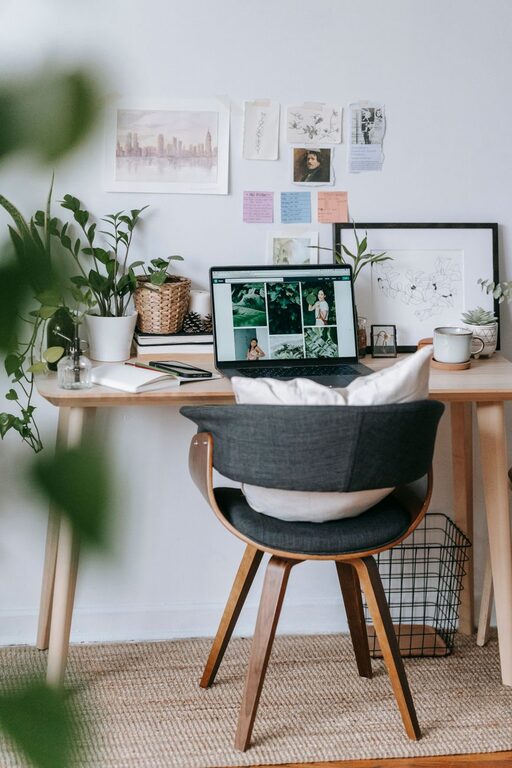
– Houseplants: Plants like snake plants, pothos, or peace lilies improve air quality and add life to any room.
– Natural Materials: Use wood, stone, or woven fibers for furniture and décor to add texture and warmth.
– Natural Light: Open curtains during the day to invite sunlight, which boosts mood and energy.
If natural light is limited, consider full-spectrum bulbs that mimic daylight.
Create Cozy Spots for Relaxation
Designate areas in your home where you can unwind comfortably.
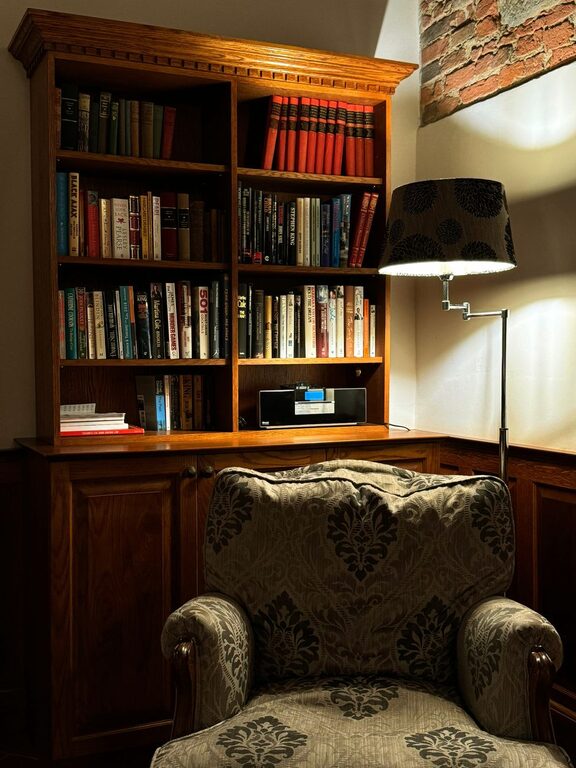
– Reading Nook: A comfy chair with soft lighting and a blanket makes a perfect spot to relax.
– Meditation or Yoga Space: Clear a small area with a mat and cushions for mindfulness practices.
– Comfortable Bedding: Invest in quality sheets, pillows, and blankets to improve your sleep quality.
Adding personal touches like your favorite books or calming scents can enhance these spots.
Use Calming Scents and Sounds
Your senses play a big role in how you feel. Introducing soothing scents and sounds can promote relaxation.
– Essential Oils: Lavender, chamomile, and eucalyptus are popular choices for stress relief.
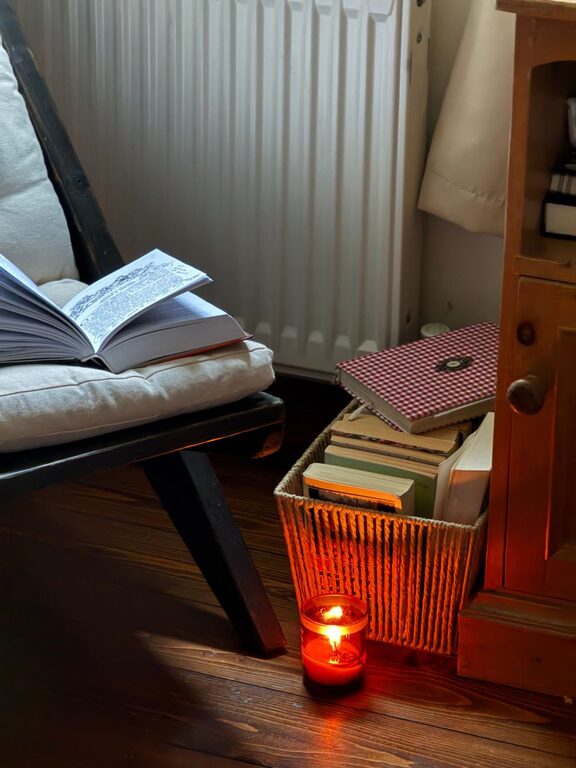
– Candles or Diffusers: Use these to gently disperse scents without overwhelming the room.
– Soft Music or Nature Sounds: Play calming tunes, white noise, or gentle sounds like rain or ocean waves.
Avoid loud or jarring noises which can increase tension.
Maintain Comfortable Temperatures and Air Quality
Physical comfort is just as important as visual and sensory appeal.
– Temperature Control: Keep your home at a comfortable temperature, ideally between 68°F and 72°F.
– Air Circulation: Open windows when possible or use fans and air purifiers to ensure fresh air circulation.
– Humidity Levels: Use a humidifier in dry climates or during winter months to prevent dryness and irritation.
Good ventilation and comfortable temperature contribute to a healthier and more relaxing space.
Limit Technology and Screen Time at Home
While technology is an essential part of daily life, too much screen time can increase stress and disrupt relaxation.
– Create Tech-Free Zones: Designate certain rooms or times when devices are put away.
– Manage Notifications: Turn off non-essential alerts to reduce distractions.
– Unplug Before Bed: Avoid screens at least 30 minutes before bedtime to improve sleep.
Encouraging device-free moments lets you enjoy your home’s calming atmosphere fully.
Personalize Your Space with Meaningful Items
Add elements that bring you joy and comfort to make your home feel welcoming.
– Photos and Artwork: Display images that inspire happiness or serenity.
– Keepsakes: Include cherished mementos that remind you of positive memories.
– Favorite Books or Hobbies: Keep items related to your interests easily accessible.
When your space reflects your personality, it becomes a true haven of peace.
Practice Consistent Home Care Habits
Keeping your home clean and cared for helps maintain its relaxing vibe.
– Daily Cleaning Rituals: Simple routines like washing dishes and wiping surfaces prevent mess build-up.
– Weekly Deep Cleaning: Schedule time for vacuuming, dusting, and laundry.
– Seasonal Refreshes: Rotate decor or rearrange furniture to keep your space feeling fresh.
A well-maintained environment supports a clear mind and calm heart.
—
Creating a relaxing home environment takes intention but offers lasting benefits for your well-being. By decluttering, choosing soothing colors, adding natural touches, and cultivating cozy spaces for yourself, you transform your home into a retreat that supports rest and rejuvenation. Small changes can make a big difference, helping you feel centered, calm, and ready to face each day with ease.
About the Author