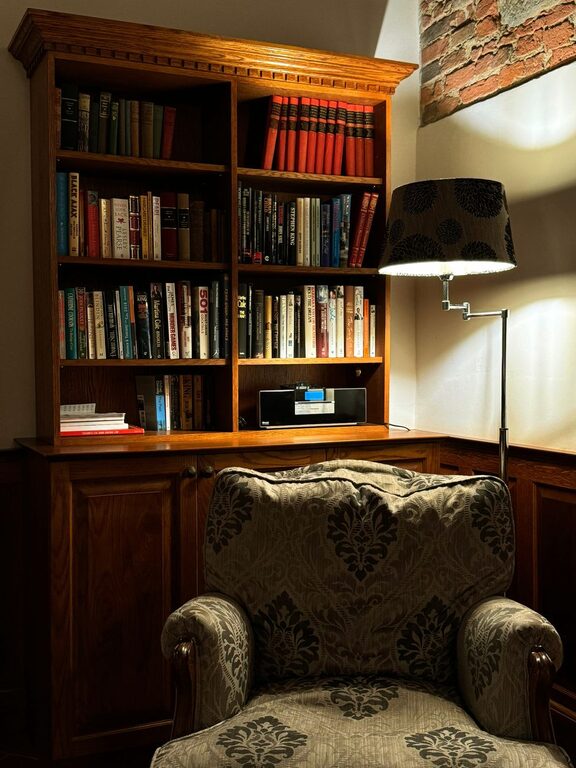

Creating a home workspace that feels relaxing and functional can make a big difference in your productivity and overall well-being. When your work environment is soothing and organized, it’s easier to focus, manage stress, and stay motivated throughout the day. Here are some practical tips to help you set up a calming home office that supports your best work.
Choose the Right Location
Selecting a quiet and comfortable spot is the first step toward creating an effective home workspace. Ideally, find a place with good natural light and minimal distractions.
– Natural light: Position your desk near a window if possible. Sunlight improves mood and energy levels.
– Quiet area: Avoid high-traffic zones or places with frequent interruptions.
– Dedicated space: Having a designated workspace helps your brain associate that area with work and focus.
Invest in Comfortable Furniture
Comfort plays a crucial role in maintaining productivity, especially if you spend long hours working.
– Ergonomic chair: Choose a chair with good back support to prevent posture problems.
– Appropriate desk: Ensure your desk height suits your body, so your arms and wrists stay in a neutral position.
– Footrest and accessories: These can improve comfort and reduce strain.
Keep Your Workspace Clutter-Free
A messy desk can make it harder to concentrate and increase stress levels.
– Organize supplies: Use trays, drawers, or containers to keep items neat and accessible.
– Minimal essentials: Limit your workspace to essential tools only.
– Daily cleanup: Spend a few minutes at the end of each day tidying your area.
Add Calming Elements
Incorporating soothing touches can make your workspace more inviting and less stressful.
– Plants: Houseplants improve air quality and create a sense of calm.
– Soft lighting: Use lamps or adjustable lighting instead of harsh overhead lights.
– Personal touches: Include items that inspire you, like artwork or photos, but avoid clutter.
Manage Noise Wisely
Noise can interfere with concentration, so managing sound levels is essential.
– Noise-canceling headphones: These are great if you work in a noisy environment.
– Background music: Calming or instrumental music can enhance focus for some people.
– Soundproofing: Adding rugs, curtains, or wall panels can help reduce noise.
Establish a Routine and Boundaries
Creating habits around your work environment helps reinforce a productive mindset.
– Regular hours: Set consistent start and end times to separate work from personal life.
– Break zones: Step away from your desk for breaks; use a different room or area.
– Limit distractions: Turn off notifications or use apps that block distracting websites.
Optimize Technology Setup
Having reliable and efficient technology reduces frustration and supports smooth workflow.
– Fast internet: Ensure your connection is stable and fast enough for your tasks.
– Proper screen height: Use stands or adjustable monitors to keep screens at eye level.
– Cable management: Keep cords organized to avoid clutter and accidental unplugging.
Incorporate Wellness Practices
Supporting your physical and mental health boosts long-term productivity.
– Stretching: Take short breaks to stretch and move around.
– Hydration: Keep water nearby and drink regularly.
– Mindfulness: Practice breathing exercises or quick meditations to reduce stress.
Final Thoughts
Designing a relaxing home workspace doesn’t require a large budget or major renovations. Small, intentional changes like improving lighting, adding plants, and choosing comfortable furniture can create a space that both soothes and motivates you. Remember, the goal is to craft an environment where you feel calm, focused, and ready to do your best work each day. With these tips, you’re well on your way to boosting productivity while enjoying a peaceful home office.
About the Author